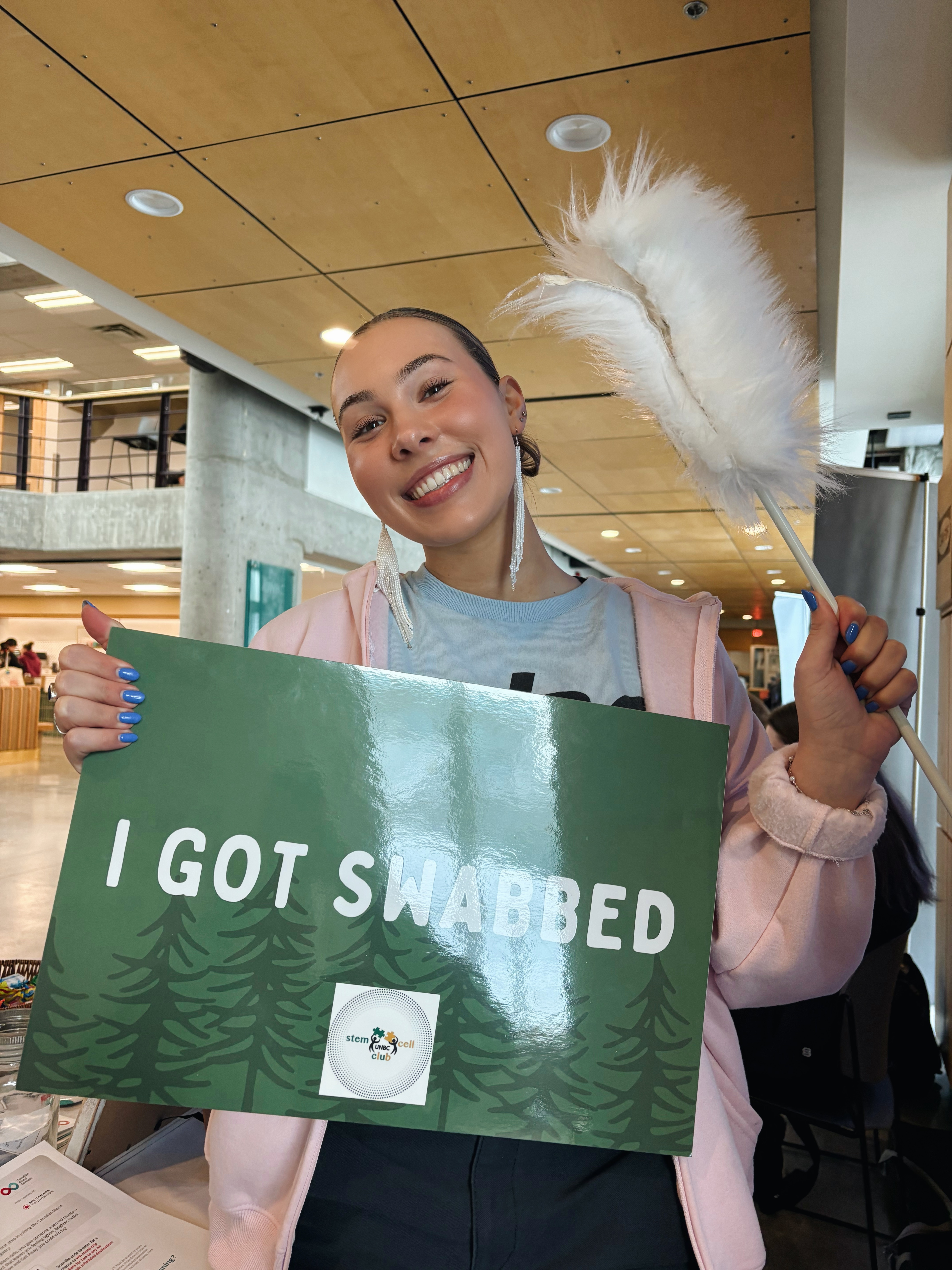
Indigenous Donors Save Lives (IDSL) is a new Indigenous-led initiative bringing together Indigenous students, community members, healthcare advocates, and allies to address the underrepresentation of Indigenous Peoples on Canada’s stem cell registry.
Founded by Araiya J. Bernard, a 2026 UNBC Nursing graduate, Registered Nurse, and current MScN student, Indigenous Donors Save Lives was created with a simple goal: to develop culturally relevant, community-led opportunities for First Nations, Métis, and Inuit people to learn about stem cell donation, understand the importance of Indigenous representation on the registry, and register as potential donors.
Bernard, who served as president of the UNBC Nursing Club during the 2025-2026 academic year, says the beginnings of the campaign can be traced back to a collaboration she organized with the UNBC Stem Cell Club. Through that partnership, she became aware of the gap in Indigenous representation on Canada’s stem cell registry.
“Once I learned how significant the gap was, I knew this was something I wanted to continue working on beyond a single event,” Bernard says. “As a nurse, I saw an opportunity to bring together nursing, education, advocacy, and community to help increase awareness and Indigenous representation on the registry.”
That experience ultimately became part of the inspiration behind Indigenous Donors Save Lives, which now unites Indigenous ambassadors, allies, students, healthcare professionals, and community partners around a shared goal of increasing Indigenous representation through culturally relevant education, outreach, and donor recruitment.
For Bernard, the initiative combines her background in nursing, Indigenous health advocacy, research, and community leadership.
“Representation in healthcare matters in so many different ways,” she says. “When someone is searching for a stem cell donor, representation on the registry can directly influence their opportunity to find a match. Indigenous Donors Save Lives is about bringing that conversation into our communities and giving people an opportunity to take action.”
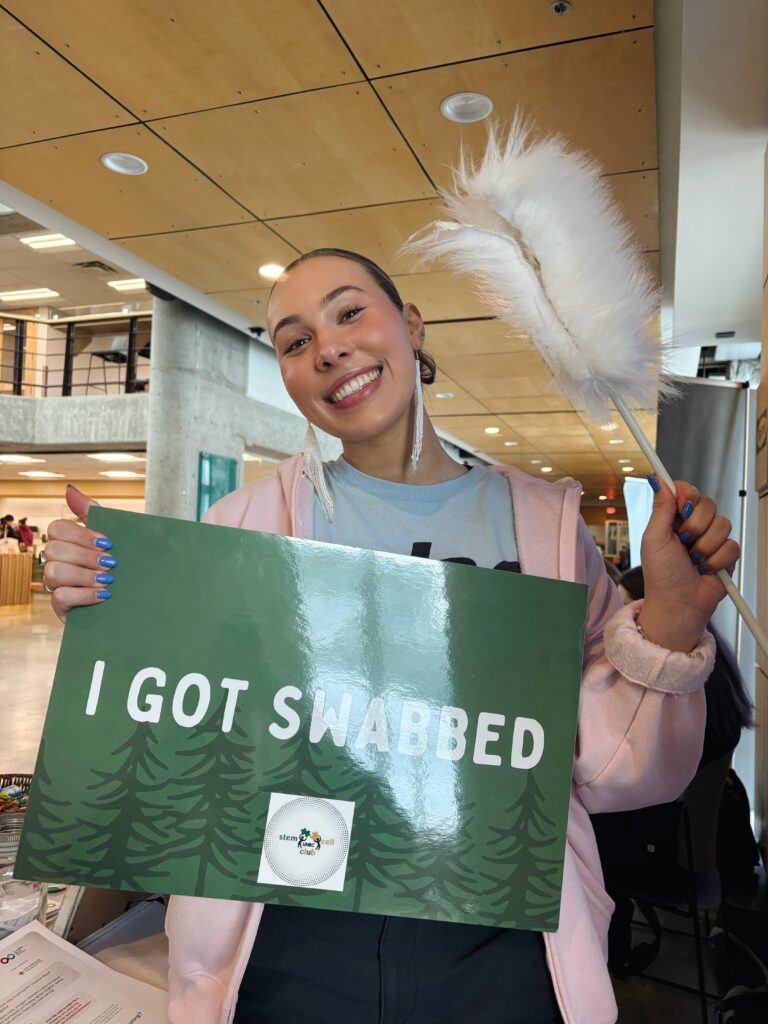
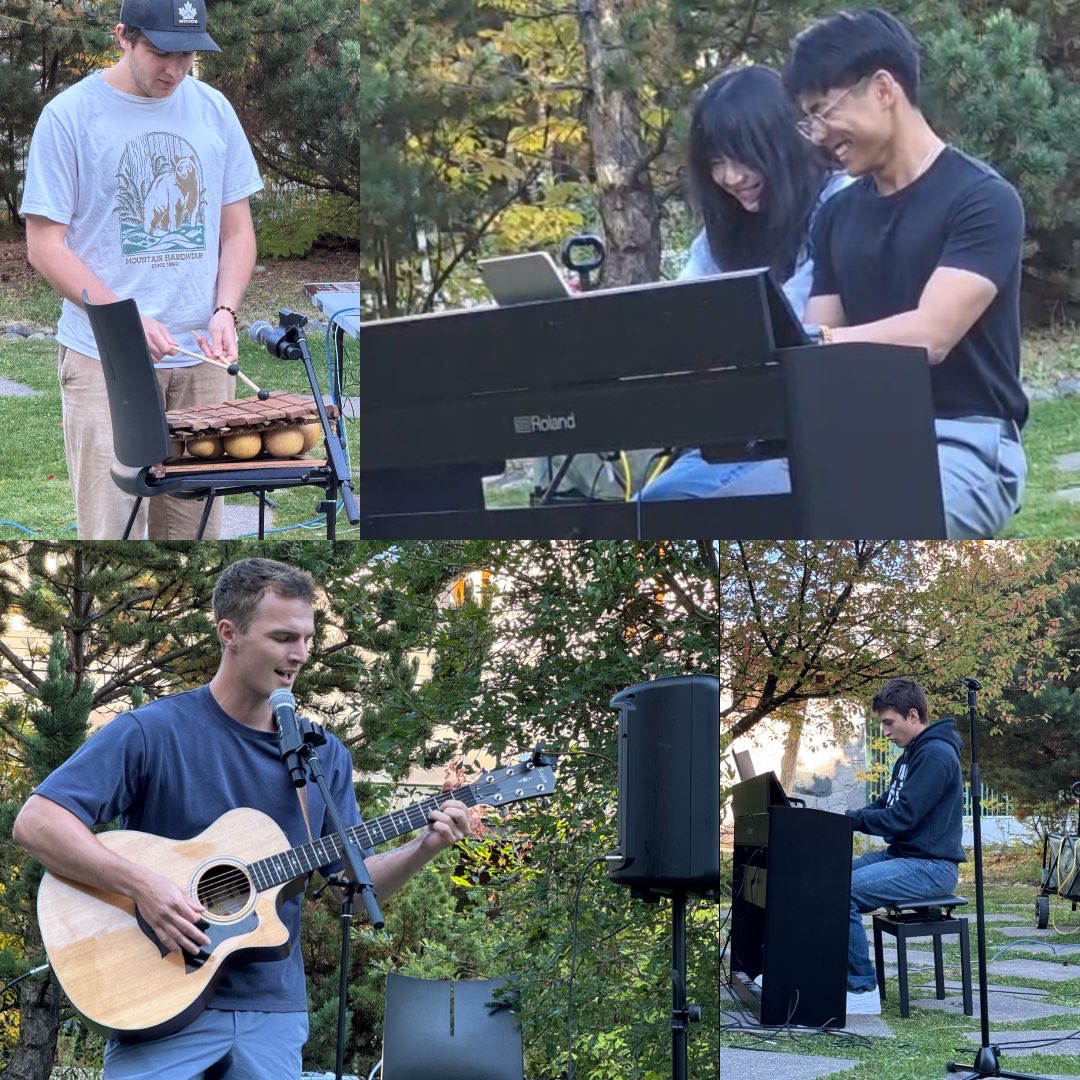
IDSL officially launched its inaugural campaign in September 2026, with its first activities taking place in Prince George around the National Day for Truth and Reconciliation. In collaboration with the UNBC Stem Cell Club, the Lheidli T’enneh First Nation, and other community partners, IDSL ambassadors and volunteers provided stem cell registry education, answered questions, supported potential donors through the registration process, and created opportunities for conversations about Indigenous representation in healthcare.
The campaign also centred culturally safe and respectful community engagement. Indigenous Donors Save Lives brought ambassadors, volunteers, and community members together to build relationships and prepare for conversations around stem cell donation and Indigenous health, recognizing that meaningful recruitment is about more than simply increasing numbers on a registry.
For Bernard and the IDSL team, that principle remains central to the initiative. The campaign is about creating conversations around Indigenous representation in healthcare, making donor education accessible and culturally relevant, and empowering Indigenous communities with the information and opportunity to participate in life-saving care.
“These first events are only the beginning,” Bernard says. “My hope is that Indigenous Donors Save Lives continues to grow beyond UNBC and Prince George and creates lasting awareness about stem cell donation within Indigenous communities. Every person who learns, shares our message, or joins the registry moves us toward greater representation.”
As Indigenous Donors Save Lives moves beyond its inaugural campaign, the initiative hopes to continue building partnerships, expanding community education and outreach, and creating opportunities for First Nations, Métis, and Inuit people to learn about and participate in Canada’s stem cell registry.
What began as a conversation at UNBC has grown into an Indigenous-led initiative grounded in representation, education, advocacy, and community. September 2026 marks only the beginning of the work ahead.
**Our communities save lives.**
**Swab. Match. Save a life.**