– A follow-up to “Has UNBC Hit a Plateau?”
A few weeks ago, I asked if UNBC had stalled out. The question was meant to start a conversation, not end one. So let’s keep going—because the more I look, the more I see a pattern that deserves a name. It’s not just plateaued. It’s shrinking.
The COVID Crater
COVID hit every campus hard, but small communities feel fractures longer. When you only have one fencing club, one student newspaper, one UNBC DIY Club, and they vanish for two years, the break in continuity is absolute. The people who knew how to run them graduated. The staff advisors moved on. The institutional memory evaporated.
Some clubs came back, but not really. They’re shadows—fewer members, less budget, no momentum. It’s like trying to restart a heart that’s been still too long. You can do chest compressions, but the brain damage is done.
The university’s response? Wait for students to rebuild it themselves. But that’s the trap: the students who would rebuild it are the ones who need it to already exist to feel like this place is worth investing in.
Shutdown Culture
Here’s a pattern I missed in the first article. We don’t fix problems; we remove them. Most people don’t know we had these kinds of things:
- Ice rink? Shut it down.
- Annual concert? Too much liability. Cancelled.
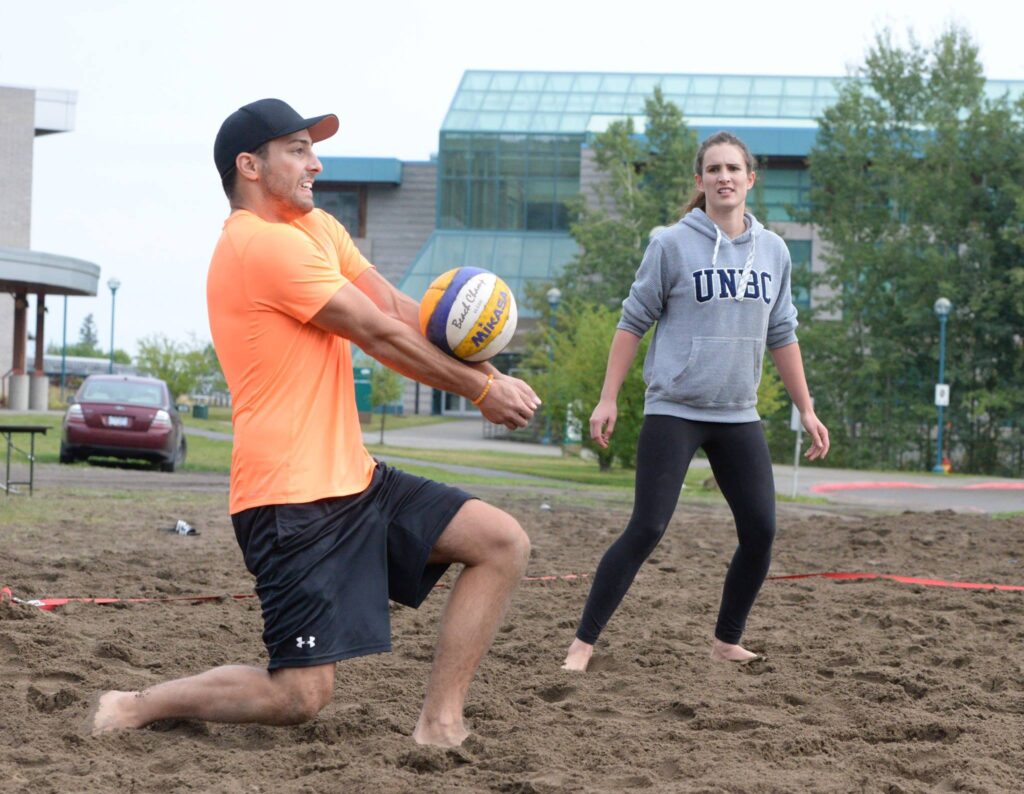
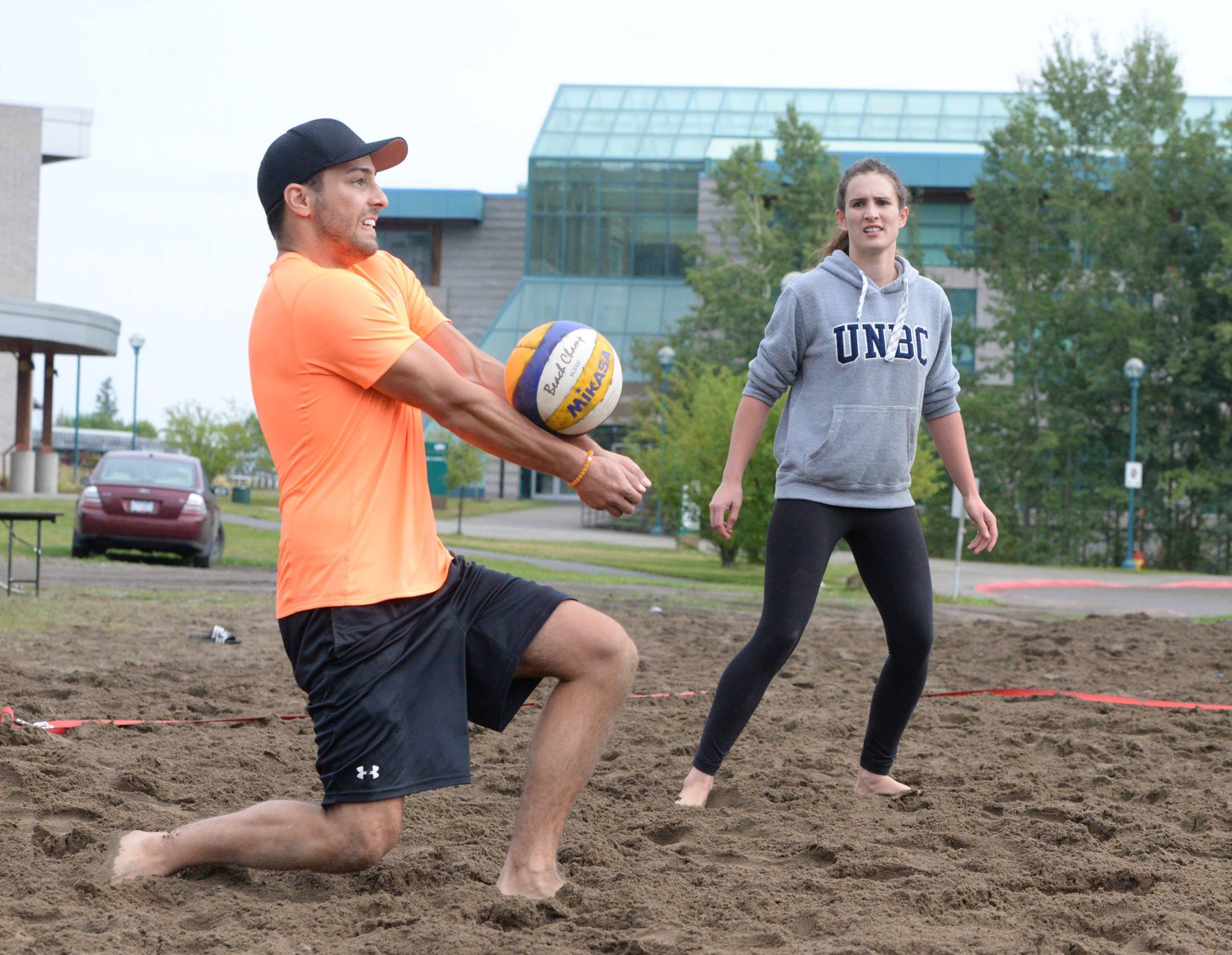
- Beach volleyball court? Liability. Gone.
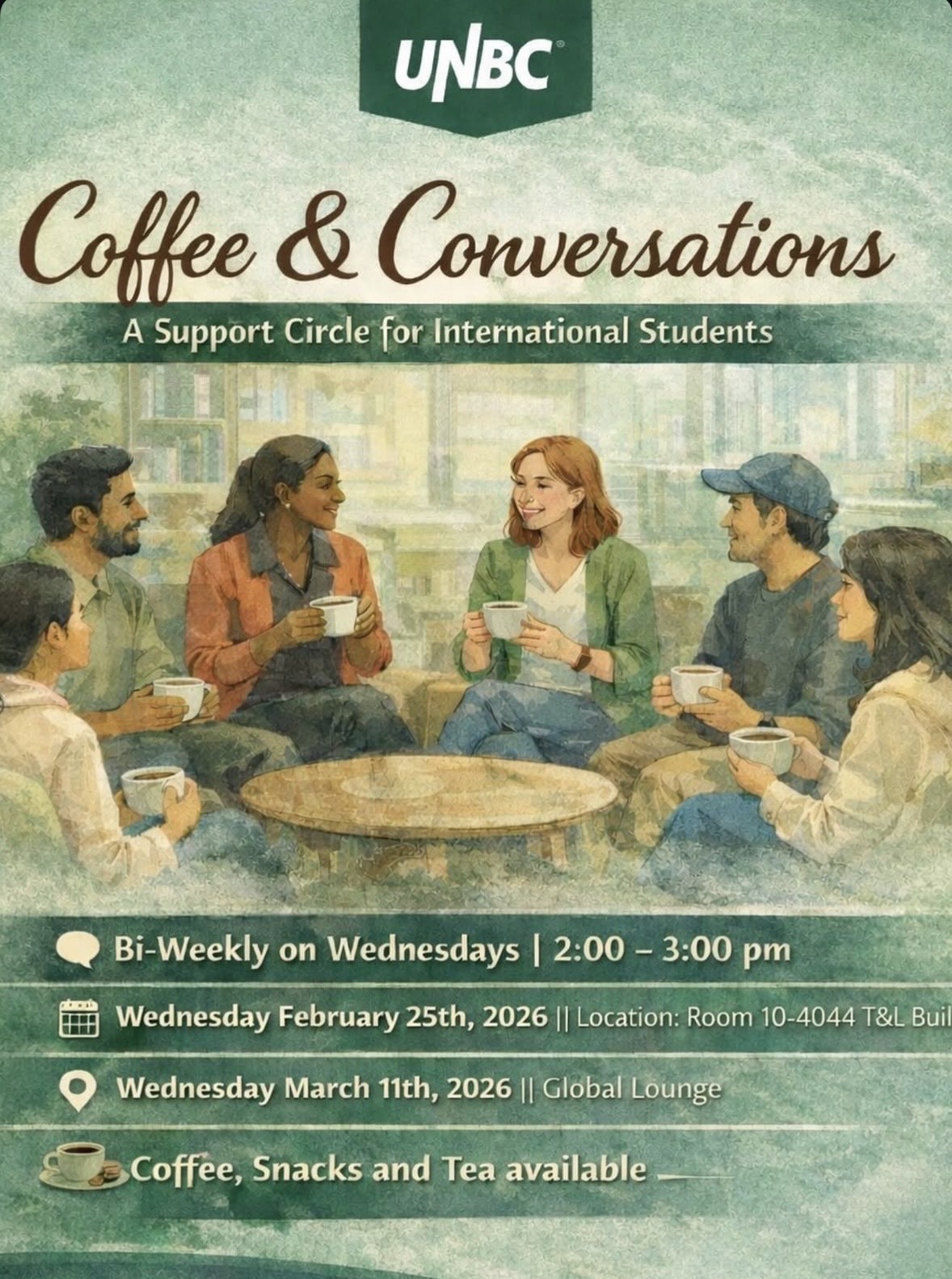
- International student sledding trip? Disappeared.
The intramural league used to let alumni play alongside students. In a place like Northern BC, where people are scarce, that mattered. It was how you found mentors, made connections beyond the hill, and felt like part of a continuum. That’s gone too.
Each decision makes sense in a vacuum. Each one reduces risk, paperwork, insurance headaches. But together, they create a culture of erasure. The university isn’t maintaining experiences—it’s deleting them. And when you delete enough experiences, you’re left with a campus that feels less like a home and more like a holding pen where you wait for your degree.
Quiet hours in residence start at 11 p.m. That’s fine. But what’s the alternative? Where do students go when they want to be loud, be together, be students? The answer is usually nowhere. We’re on a hill, removed from downtown, disconnected from the city. The university doesn’t offer a big off-campus party or a bus to a Cougars game or a raffle for concert tickets. It just says “be quiet” and calls that community.
The NUGSS Dependency
I criticized student governance in my last piece, but here’s the flip side: we’ve outsourced the soul of the university to NUGSS.
The Color Run? NUGSS runs it as the main start-of-year attraction. The campus pub and its events? NUGSS. Many major student events? NUGSS.
NUGSS does incredible work, but it’s a volunteer student society. When the university depends on it to provide the only vibrancy on campus, that’s not a partnership it’s abandonment. If NUGSS decides an event is too much, it vanishes. No one picks it up. The university website doesn’t even keep an archive of what used to happen. Search “UNBC events” and you’ll find a dead calendar or a three-year-old PDF.
The old “Spotlight on UNBC” YouTube series from 1999 shows a different place: professors talking about research, students running events, a campus that felt alive and documented. Today, we get a press release when a professor wins an award. The connection between undergrads and research the thing that makes a university feel like a university feels severed.
The Research Institute Problem
UNBC is a research institute. That’s a point of pride. But walk into a first-year lecture and ask: do you know you can work in a lab? Most don’t. They see Dr. So-and-So got a $500,000 grant and think, “cool for them.” No one tells them how to get involved, what the boundaries are, or that professors are just people who might say yes if you email them.
At other universities, professors plug events at the start of class: “Hey, my colleague is doing a talk tonight, you should go.” That flow is gone here. Maybe it’s the power dynamic. Maybe it’s that everyone is stretched thin. But the result is the same: undergrads feel like tourists in a research facility, not co-investigators in their own education.
What We Lost
We had a fencing club. We had a functioning WUSC committee. We had a UNBC DIY Club where people built things together. We had an ice rink that made winter less bleak. We had sledding trips for international students who’d never seen snow. We had a student newspaper that didn’t die.
Each loss is small. Each is explainable. But stacked together, they tell a story of an institution that would rather reduce liability than cultivate memory.
Make UNBC Great Again
My friend suggested the title as a joke. “MUGA hats,” he laughed. But the joke lands because the sentiment is real. Not great again like it was perfect before it wasn’t. But great again like it felt like it wanted to be great. Like it took risks. Like it believed that a university on a hill in the North could be a destination, not a default.
The original “plateau” piece asked for a public scorecard for the strategic plan. I still want that. But I also want something simpler: a list of what we used to have, what we shut down, and why. An honest accounting. Maybe the ice rink was a money pit. Maybe the concert cost more than it was worth. Show us the math. Then show us the plan for what replaces them.
The Difference Between Maintenance and Momentum
Maintenance fixes the broken PC. Momentum invests in the student who’ll use it for a thesis.
Maintenance replaces a couple of beakers. Momentum builds a cycle of research, retention, and voice that compounds.
Maintenance says, “We survived COVID.” Momentum says, “Here’s how we came back stronger.”
I don’t know if we’re at a plateau or the edge of a cliff. But I know the answer isn’t to keep shrinking until there’s nothing left to shut down.
I carry UNBC on my resume. I want it to mean something more than “I got my degree and left.” I want it to mean I was part of a place that tried.
Let’s stop trying to maintain what we have and start building what we owe the 16,000 people who paid five dollars each to make this university exist.