After five years, Ashkan Pooya is stepping down from his role as Executive Director of PGPIRG. We sat down to talk about what the organization does, what he’s learned, and what he hopes students, the university, and the community will take away.
## What is PGPIRG, and how did you end up here?
Pooya joined PGPIRG in January 2021 while completing his master’s in environmental science at UNBC. He saw the hiring poster on NBCGSS social media and applied. “I found it very interesting and aligned with my personal values and my interest in environment and social advocacy.”
His background in industrial engineering gave him financial and project management skills, but he says PIRGs need more than that. “For this position, maybe they need staff who have a mixed background of financial, project management, business and at the same time, those who have values around social justice and environmental justice. Because it’s part of PGPIRG’s mission.”
Public Interest Research Groups exist at universities across North America. They’re funded by student fees but operate independently from the university. At UNBC, students pay around $5.23 per semester. “Their focus is advocating for social justice and environmental justice, especially for their community and their universities,” Pooya explains. “All of them are focused on advocating for anti-racism, anti-sexism, Indigenous rights, climate action, green programs, and supporting people with disabilities.”
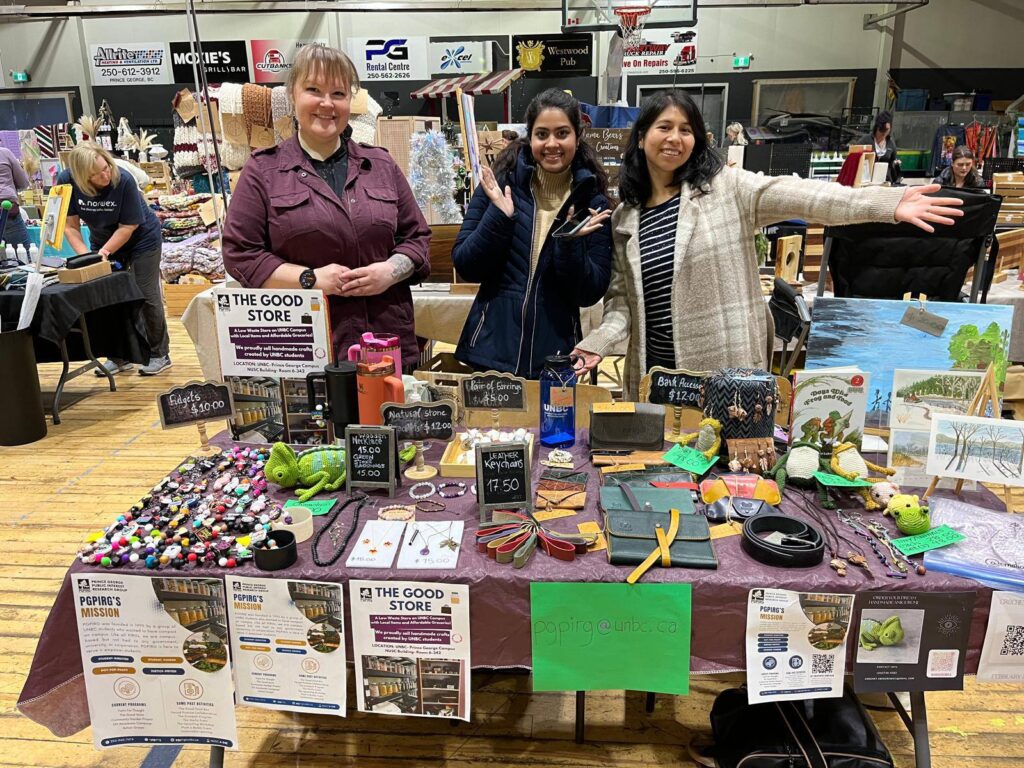
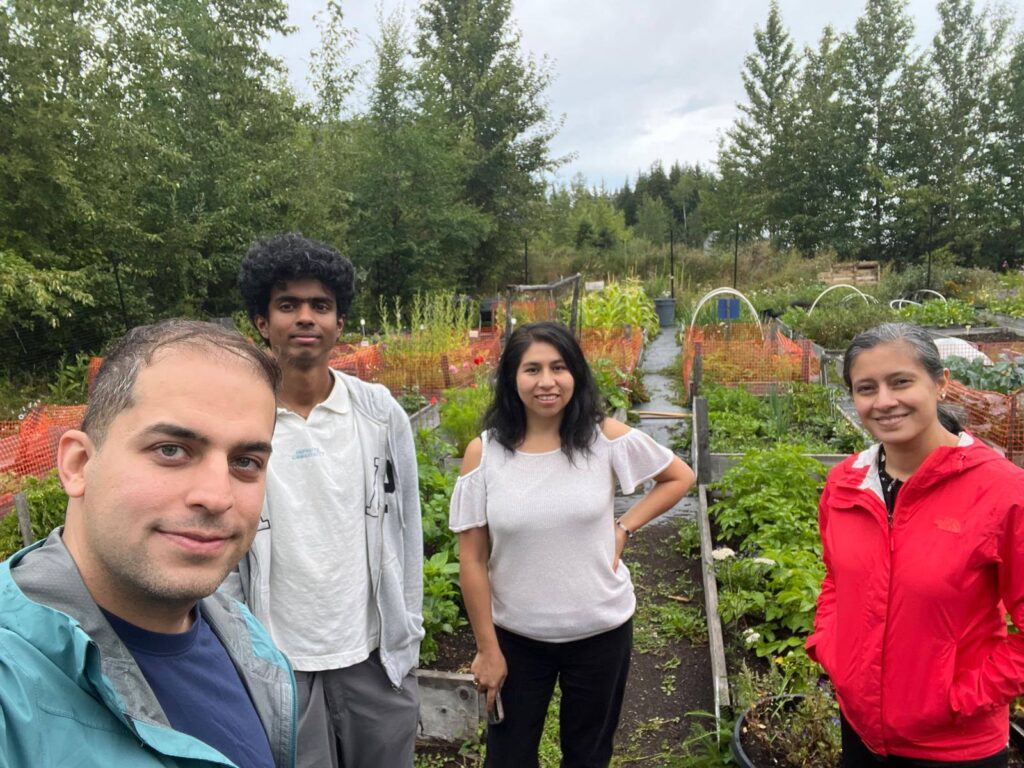
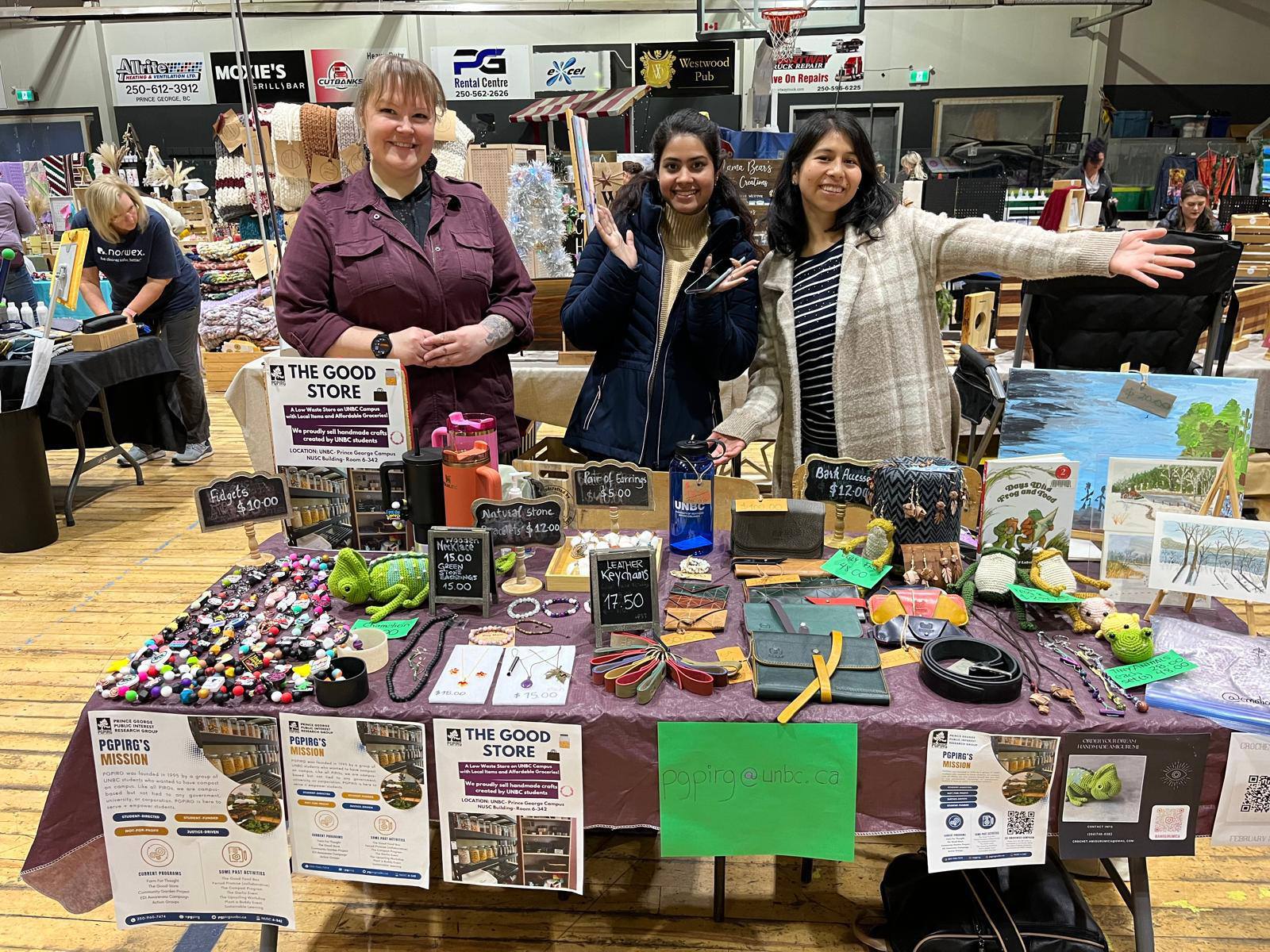
PGPIRG’s budget is roughly $30,000 per year, significantly less than other PIRGs, some of which have $100,000 to $300,000 and full-time staff. Despite the smaller budget, PGPIRG runs several programs: a community garden on campus where students can garden for free over the summer; the Good Store, which sells student-made products and brings them to community fairs at no charge; the Good Food Box program, which brings fresh, local vegetables to campus; Student Action Groups, which let students propose initiatives and get support; and the EDI Awareness Campaign, which gives students a safe way to share experiences with racism, sexism, or other issues anonymously.
For Pooya, PGPIRG fills a specific role on campus: “This is the safest place for students who want to participate and contribute in political actions or social actions or climate actions. Some students are very interested in that, and they find it the safest place to share their ideas, to advocate for people, and do some actions.”
## Why should students care about PGPIRG?
“The students pay us out of their tuition. We know that life is expensive these days, and they pay us even $5 per semester. We acknowledge that.”
Pooya wants students to know they can do more than just benefit from PGPIRG’s programs; they can shape them. Students interested in advocacy for climate, food security, human rights, or any cause can bring their ideas forward. Students who make products can sell them through the Good Store, with all profits returned to them.
Board positions and volunteer roles are available, and Pooya says the experience pays off. “Our boards are mostly students, so it’s a good experience for them. I know some of our board members who are students here could find good opportunities in their career after they finished their term in PGPIRG because they learned something in terms of management, running programs, strategic planning, and action for environment, climate and social justice.”
## What has your experience with UNBC been, and what could be better?
“UNBC has been supportive of us. The least they could do was to pay our semester payments and respect our independence. And that was okay.”
Pooya notes that some PIRGs at other universities have been shut down, often for political actions. “We were not very political, and we were a bit cautious about that, just to survive.”
But he thinks the university could do more. “UNBC should support more nonprofit organizations or organizations on campus and empower them with collaboration. We don’t have a hub or a main source who connects all these organizations to each other.” He lists the Women’s Centre, First Nations Centre, Pride Centre, PGPIRG, SGU, and the Sustainability Department, calling them “small islands on campus.”
The biggest challenge? Student engagement. Pooya says getting people to show up, even when workshops are free, well-timed, and well-promoted, is consistently difficult. He’s talked to other organizations like the Women’s Centre who share the same experience.
“There should be a systematic error that causes this,” he says. “Shouldn’t there be an organization who facilitates those things, who promotes them, or who brings this idea to students and educates them that such stuff is really important for you? I think the problem is that we don’t have that vibe here at UNBC.”
He also notes that most of this work falls on volunteers and one part-time staff member. “I’m the only staff. I’ve been here for a couple of years and just for 15 hours per week. It’s nothing.”
## How can the people of Prince George get involved?
Community members can get involved with PGPIRG too. “They can participate in public events or fairs, farming programs, or volunteer calls. And they can become a board member too if they’re interested.” According to the bylaws, the majority of board members should be students, but positions are open to community members as well.
“So follow the social media, support our events. It doesn’t have to be financial; there are student products for sale too which they can support.”