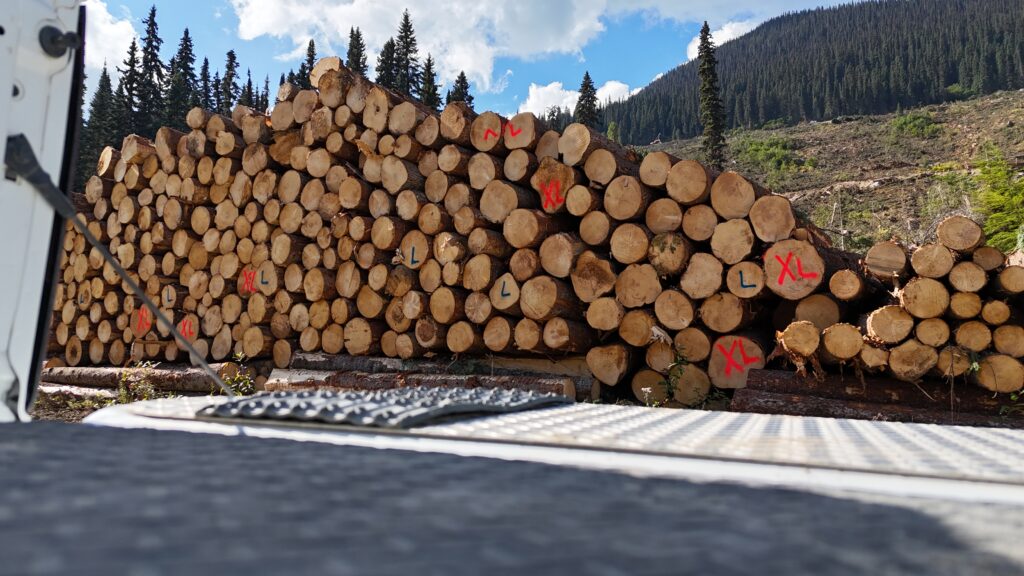
As temperatures rise and the snow melts across British Columbia’s vast coastal and interior regions, a different kind of seasonal activity begins in forests across the province: the annual surge of summer forestry jobs. For students, recent graduates, and outdoor enthusiasts alike, forestry offers a unique opportunity to earn income while gaining hands-on experience in one of B.C.’s cornerstone industries.
Each spring, forestry licensees, contractors, and government agencies ramp up hiring to support critical activities such as forest planning, harvesting, and silviculture. Common entry-level roles include tree planters, forestry technician assistants, surveyors, brush saw operators, and wildfire crew members. These roles are essential to maintaining forest health and ensuring a sustainable timber supply for future generations.
“Summer is our busiest season,” says a silviculture supervisor based in Northern B.C. “It is the optimal time to complete critical activities, such as tree planting, surveying, and brushing, which all require snow-free conditions.”
**Where the Jobs Are**
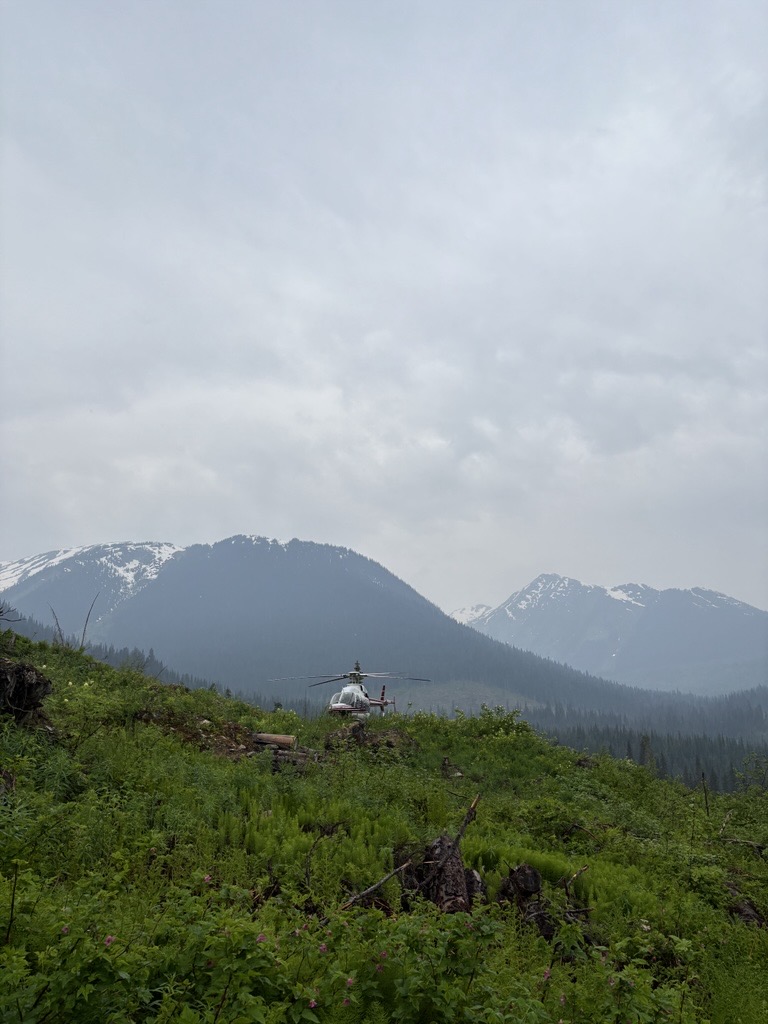
Most seasonal forestry positions are located in rural and remote regions, with hubs in Prince George, Williams Lake, Cranbrook, Revelstoke, Campbell River, and Port McNeill. Work often requires travel to active cutblocks using forest service roads, helicopters, and even boats in certain areas, which can mean early mornings, long days, and physically demanding tasks.
**What Employers Look For**
While some positions require prior experience or specialized training, many entry-level roles are accessible to those with a strong work ethic and willingness to learn. Employers typically look for candidates who are safety-conscious, reliable, physically fit, and capable of working outdoors in variable terrain and weather conditions.
Certifications such as Basic First Aid (previously Occupational First Aid Level 1) and Bear Awareness training are often considered assets. For equipment-based roles like brushing or operating ATVs, additional training may be required. In most cases, an employer will provide all necessary training.
“Safety is non-negotiable,” adds the supervisor. “We provide all required training, but we expect our workers to come prepared to follow standard work procedures and look out for their team.”
**How to Get Started**
Job seekers are encouraged to begin their search for seasonal forestry work as early as October or November, when postings begin appearing on company websites, job boards, and through local colleges and universities. Networking can also play a significant role. Although forestry is a large industry, many foresters know one another, and a referral can go a long way.
Organizations such as the BC Forest Safety Council and industry associations often provide resources on training, job readiness, and employer contacts. Additionally, events such as UNBC career fairs and the Canadian Institute of Forestry (CIF) Chili Cook-Off can help connect applicants in Prince George with opportunities across the province.
**More Than Just a Paycheque**
Beyond the financial benefits, many workers highlight the personal growth that comes with forestry work. Long days in the field can build resilience, teamwork, and a deeper appreciation for B.C.’s natural landscapes.
As the demand for sustainable forest management continues to grow, seasonal forestry jobs remain a valuable entry point into a diverse and evolving industry, one that will continue to shape both the land and the livelihoods of those who live, work, and play in it.